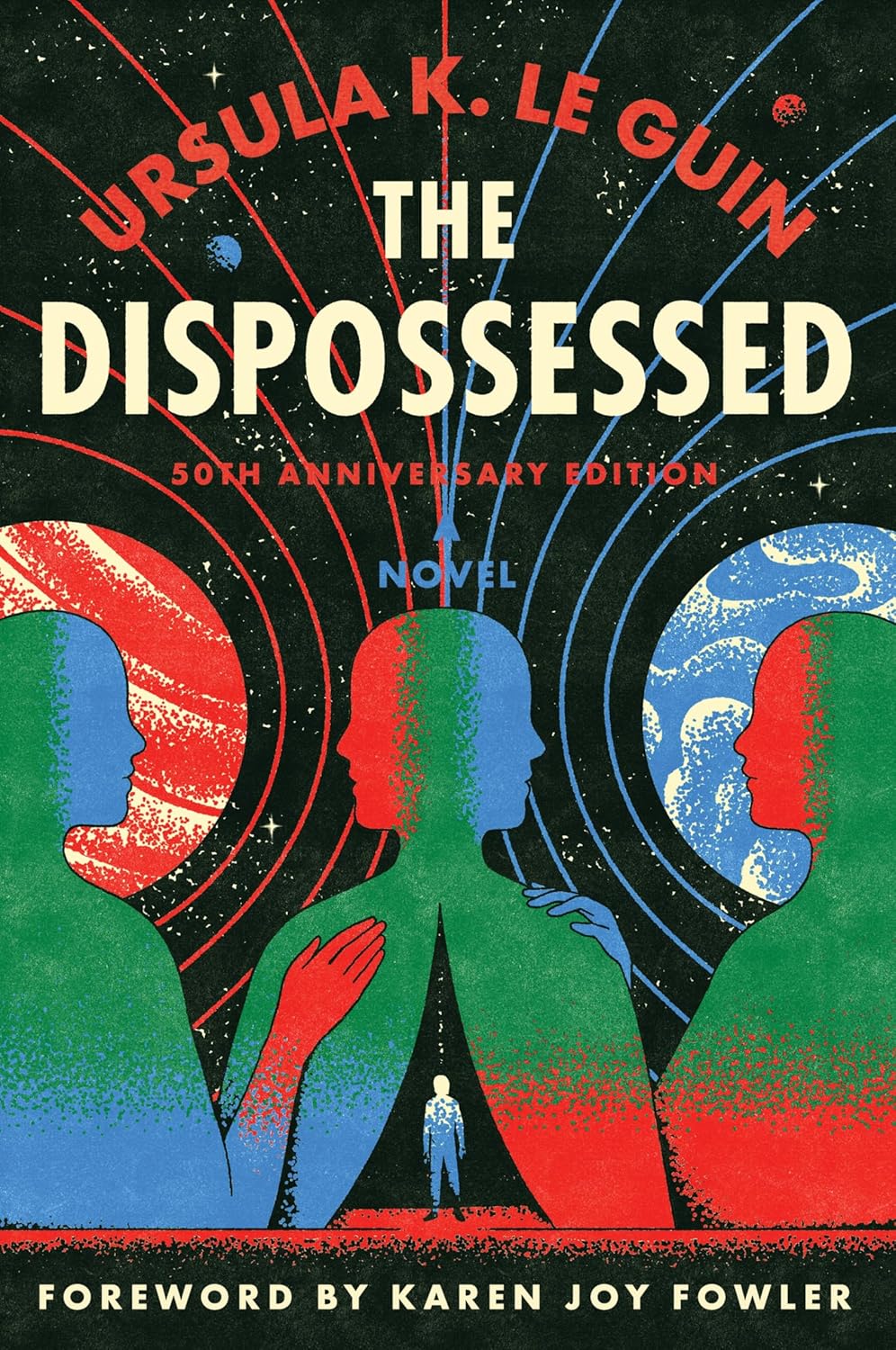
Mutualism
philosophy
Mutualism is a political and economic philosophy holding that a just society is one of free exchange between equals, without the exploitation enabled by either state power or concentrated private capital. Developed primarily by Pierre-Joseph Proudhon — who famously declared "property is theft" while simultaneously defending the right to possess what one uses and produces — mutualism occupies a distinctive position: against the state, against capitalism, and against collectivism that subordinates the individual to the group. The core principle is reciprocity: each person receives the full value of their labor in exchange, without surplus being extracted by landlords, employers, or governments.
In practice, mutualism emphasizes voluntary association, worker-controlled enterprises, mutual credit systems that provide financing without interest, and land held by those who use it rather than those who merely own it. Proudhon envisioned a society of small producers, craftspeople, and farmers exchanging freely through a network of mutual banks that issued credit against labor rather than against accumulated capital. This is less a utopian blueprint than a set of institutional principles that can be partially implemented within existing systems — worker cooperatives, credit unions, and mutual aid networks are all mutualist in character without requiring the abolition of everything else.
Mutualism anticipates many of the themes of the modern parallel society movement. Its insistence on voluntary association over coercive institutions, its focus on building alternative economic infrastructure rather than seizing state power, and its suspicion of both government and corporate concentration make it a natural companion to agorism, counter-economics, and decentralization. Cryptocurrency and decentralized finance can be read as mutualist experiments: attempts to build exchange systems that are neither state-controlled nor dominated by financial intermediaries extracting rent from every transaction.